
What is the tragedy of the commons? Hardin’s idea, real examples from cod to CO2, Elinor Ostrom’s 8 design principles, and solutions that work.
National Councils for Sustainable Development
Integrating economic social and environmental action and perspectives
What Is Ecotourism? Principles, Examples, Greenwashing
What is ecotourism? Learn its 8 core principles, real examples from Costa Rica to Palau, its downsides, and how to spot greenwashing before you book.
Solarpunk: The Hopeful Vision of a Sustainable Future
What is solarpunk? Origins, core ideas, architecture, solarpunk vs. cyberpunk, real-world projects, criticisms, and how you can help build it.
The Phosphorus Cycle: Steps, Human Impact and Why It Matters
Learn how the phosphorus cycle moves through rocks, soil, water, and life—and how fertilizer runoff can disrupt ecosystems.
Anthropogenic: Meaning, Examples and Effects on the Planet
Learn what anthropogenic means, how human activities affect climate and wetlands, and why the term matters for understanding planetary change.
Regional sustainable development networks: Africa, Asia-Pacific, the Americas and Europe
Sustainable development work is organised by region as much as by country. An overview of the regional bodies and where their reports can be found today.
National Councils for Sustainable Development: what they were and what replaced them
How the national councils that grew out of the 1992 Earth Summit worked, why the global network faded, and where that work continues today.
Agenda 21, Chapter 18: protecting freshwater resources
Chapter 18 of Agenda 21 set out the first global programme for freshwater management. Here is what it asked for and how the water agenda looks today.
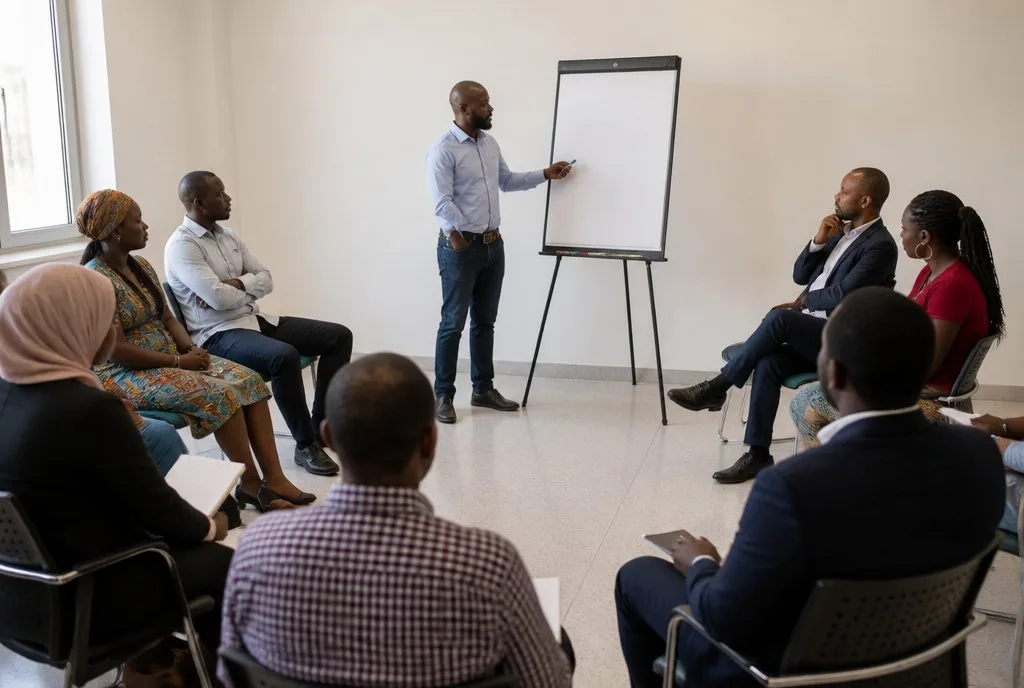
Every society is composed of a multi factorial system that contributes to the overall status of the society per se. Among the varied systems that make up the general society, three most vital aspects are the economic, social and environmental factors. These three aspects must be adequately maintained at a level that can suffice the demands of every member of the society and these three must be equally monitored as well. However, each aspect plays a certain specific role in establishing an effective and interesting community.
Although the economic, social and environmental aspects portray different roles in the society, it is vital that these factors function in unison and make significant and positive influences, not just to the members of the society but also beyond the societal confines. Thus, the main goal of every community is to function as one while carrying the individual impact each aspect can impose. And the only way to achieve this ultimate goal is to undergo the process of integration.
Integration is the process of bringing together different components of the subsystems and makes it possible for these subsystems to function together without neglecting their individuality. The concept is applied when trying to integrate the economy, society and the environment.
In reality, these three work in a paradigm where one affects and influences the other. When the economic aspect of a society experiences a significant change, the environment and the society is expected to be affected by such change. Same as when the environment or the society exhibit changes. So basically, this is an ongoing cycle that provides various effects and different levels of impact on one another.
More so, it is a fact that members of every society have different perspectives when the concept of integrating the economy, the society and the environment is brought into interest. But regardless of such fact, most of the countries today have high hopes of achieving such integration successfully.
Sustainable development meets the needs of the present without compromising the ability of future generations to meet their own.