
Chapter 18 of Agenda 21 set out the first global programme for freshwater management. Here is what it asked for and how the water agenda looks today.
National Councils for Sustainable Development
National Councils for Sustainable Development: what they were and what replaced them
Regional sustainable development networks: Africa, Asia-Pacific, the Americas and Europe
Sustainable development work is organised by region as much as by country. An overview of the regional bodies and where their reports can be found today.
WSSD – World Summit for Sustainable Development
The World Summit for Sustainable Development (WSSD) refers to a summit that occurred in Johannesburg in the last week of August and first week of September 2002. It
The Ramsar Convention
The Ramsar Convention was approved in Ramsar, Iran in 1971. The treaty involving members from all regions of the world took force in 1975. It is the only
Climate Change Convention
On November 28, 2011 the United Nation’s Climate Change Convention will take place in Durban, South Africa. This convention will bring together the very best minds in the
Recent applications of the Convention on Biodiversity
The Biodiversity Convention (1992) is the first law of its kind, to recognize that the conservation of biological diversity should be a common concern for all of
How To Think About The Convention to Combat Desertification
On a global scale, there is deepening confirmation that the climate is changing, and that word-wide climate change is a factor that is contributing to an increase in
Integrating economic social and environmental action and perspectives
Every society is composed of a multi factorial system that contributes to the overall status of the society per se. Among the varied systems that make up the
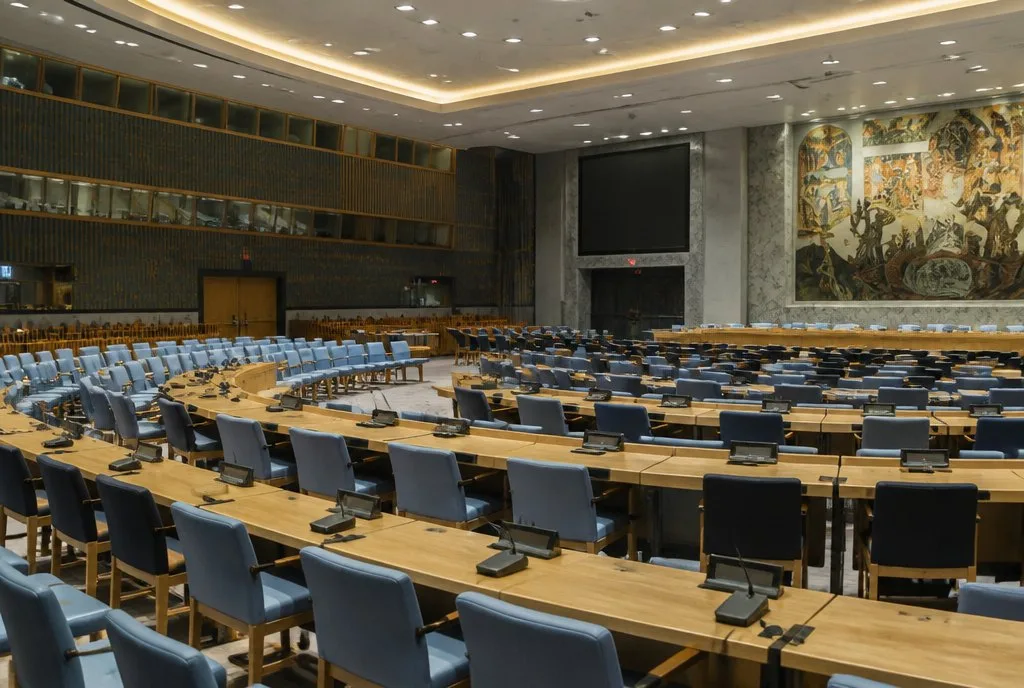
National Councils for Sustainable Development (NCSDs) were multi-stakeholder bodies that many governments set up after the 1992 Earth Summit in Rio de Janeiro. Agenda 21, the summit’s action plan, asked countries to bring government, business, science and civil society to one table to plan how a nation would grow without exhausting its land, water and air. Roughly seventy such councils existed by the late 1990s, from Costa Rica and the Philippines to Finland and Ghana.
What a council actually did
Most councils had no legal power. Their value lay in convening: ministries that rarely spoke to each other met with farmers’ associations, chambers of commerce, universities and indigenous groups. Typical outputs were national sustainable development strategies, position papers for United Nations meetings and country reports on progress under Agenda 21. The councils also fed the annual sessions of the UN Commission on Sustainable Development (CSD), which reviewed one cluster of Agenda 21 chapters each year.
The global network
From the mid-1990s the Earth Council, founded by Maurice Strong after Rio, ran a global network that linked the councils. It published country reports (a well-known series was compiled in 1999), organised regional meetings for Africa and the Middle East, Asia-Pacific, the Americas and Europe, and coordinated input to the 2002 World Summit on Sustainable Development in Johannesburg, often called Rio+10. When funding for the Earth Council dried up in the early 2000s, the network lost its secretariat and many councils were merged into ministries or quietly dissolved.
Where the idea lives on
The councils’ core idea survived the institutions. In 2013 the UN replaced the Commission on Sustainable Development with the High-level Political Forum, and since 2015 the Sustainable Development Goals (SDGs) have given every country the same seventeen targets to report on. The instrument that replaced the old country reports is the Voluntary National Review, which more than 180 countries have presented at least once. Several countries still keep an NCSD-style body: Germany’s Council for Sustainable Development (RNE), Finland’s National Commission on Sustainable Development and the Philippine Council for Sustainable Development all trace their roots to the Rio process.
This site is an independent reference on sustainable development treaties and institutions. It is not affiliated with the former NCSD network or the Earth Council, and it does not hold their archives.
Sustainable development meets the needs of the present without compromising the ability of future generations to meet their own.